Ready for Your Dream Getaway?

Explore All-Inclusive Package Deal

Book Your Masai Mara Package With Affluence Travels

The Masai Mara National Reserve stands as one of Africa's most iconic safari destinations, offering an unparalleled wildlife experience that captivates adventurers from around the globe. This comprehensive guide covers everything you need to plan your dream Masai Mara safari, from booking flights to choosing the perfect time to visit and preparing for the adventure ahead.

Discover Most Popular Destinations

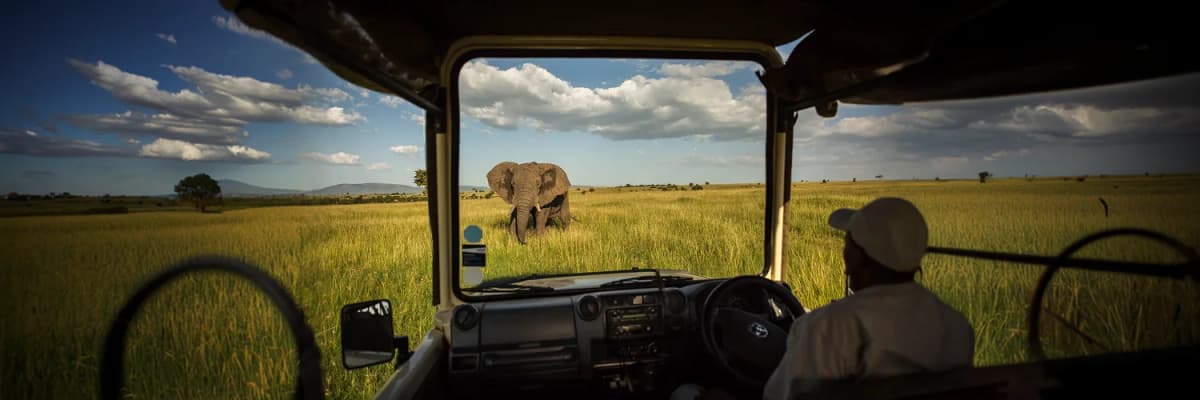
This season's most sought-after destinations deliver the perfect blend of weather, culture, and unforgettable experiences. And right now, the jewel in Africa's crown is calling! Kenya's legendary Masai Mara is at its prime, with lush green landscapes, abundant wildlife, and authentic safari experiences that rival anything on Earth. Our all-inclusive seasonal packages take care of everything: flights, premium safari lodge accommodations, expert guides, multiple daily game drives, and seamless ground transportation. Each destination in our seasonal collection has been handpicked for authentic experiences, cultural immersion, and those Instagram-worthy moments that linger long after you return.

Filter Your Result

Customize your search to quickly find filter-specific answers.

Price Range

Between

$320

-

$1175

Duration

Showing 3 amazing packages

Best Time to Visit Masai Mara

Choosing the right season determines what wildlife you'll encounter and the overall experience quality. Here's your month-by-month breakdown:

Dry Season (June to October): Peak Wildlife Viewing

This is unquestionably the best time for general wildlife viewing. The absence of rain means vegetation remains sparse, making animals easier to spot around waterholes and river areas. Temperatures are comfortable (20-23°C/68-73°F), with sunny, dry days and cool mornings. Insect levels, including mosquitoes, are at their lowest during this period.

Wet Season (November to May): Budget-Friendly Exploration

If you prefer fewer crowds and lower accommodation rates, the wet season offers compelling advantages. Although rain can interfere with activities on some days, wildlife viewing remains excellent because animals still need water sources. The landscape transforms into a lush, green paradise during these months, and birdwatching is exceptional with over 500 bird species documented in the Mara.

January and February represent a particularly good window during the wet season, as rainfall eases between the short and long rains. Mornings start cool (around 14°C/57°F) but warm to pleasant 30°C (86°F) by midday, with scattered showers rather than heavy downpours. These months are excellent for seeing newborn animals and migratory bird species.

The Great Migration of Masai Mara

The Great Migration stands as one of Earth's most awe-inspiring natural phenomena. Approximately 1.5 million wildebeest, 200,000 zebras, and countless gazelles journey from Tanzania's Serengeti to Kenya's Masai Mara in search of fresh grazing lands.

  • Early Arrival Phase (July 10-20): First herds begin crossing from the Serengeti into the Masai Mara at Sand River and Mara South areas. Wildlife visibility is good, and fewer tourists are present compared to peak migration months.
  • Peak Migration Window (July 25 – August 15): Large herds spread across the central Mara plains, with river crossings at Mara River, Paradise Plain, and Serena. This period delivers the most dramatic and frequent crossing events.
  • Late Migration Phase (September 10-25): Remaining herds inhabit the Mara Triangle area before beginning their return journey south toward the Serengeti.
  • End of Migration (September 30 – October 5): Most herds depart the Masai Mara and head back into the Serengeti.

August remains the peak month for witnessing the most dramatic Mara River crossings, where wildebeest navigate swift currents and evade lurking Nile crocodiles. Timing may vary by one to two weeks due to rainfall patterns.

Flying to Masai Mara

Getting from the US to Masai Mara involves two flight segments: your international flight from the US to Nairobi, followed by a quick domestic flight to the reserve.

International Flights to Nairobi

Kenya Airways is the only airline offering direct non-stop flights from the United States to Nairobi, operating from New York's John F. Kennedy International Airport (JFK) to Jomo Kenyatta International Airport (NBO). The flight duration is approximately 14-15 hours.

Alternative carriers including Ethiopian Airlines, Delta Air Lines, Turkish Airlines, and Qatar Airways provide connecting flights through hubs like Addis Ababa, Paris, Amsterdam, or Istanbul. While these routes require layovers, they may offer competitive pricing. Ethiopian Airlines' round-trip flights from US cities start from approximately $891, making them a budget-conscious option. You can call Affluence Travels to book your flights to Masai Mara now.

Connecting Flights: Nairobi to Masai Mara

Once you arrive in Nairobi, you'll take a short domestic flight (40 minutes to 1 hour) to reach Masai Mara airstrips. Several reliable airlines operate this route:

Safarilink Aviation operates four daily flights departing from Nairobi Wilson Airport (WIL). Safarilink serves multiple Mara airstrips including Musiara, Keekorok, Serena, and Ngerende. The 45-minute to 1-hour flight offers excellent views of Kenya's landscape.

Air Kenya provides the fastest connections, with flight durations as brief as 40 minutes. Mombasa Air Safari operates approximately two flights daily from Nairobi Wilson Airport. Fly ALS offers special fares for direct flights, making it the most budget-friendly choice for the Nairobi-to-Masai Mara leg.

Essential Tips for Your Masai Mara Adventure

What to Pack

Packing appropriately ensures comfort throughout your safari experience. Here's what experienced travelers recommend:

Clothing Essentials:
  • Two cotton long-sleeve shirts (sun protection & insect defense)
  • One short-sleeve casual shirt
  • Two pairs khaki trousers or cargo pants
  • Two pairs safari shorts
  • One lightweight fleece jacket or windbreaker
  • Three pairs sport socks and comfortable hiking boots
  • One pair sturdy, closed-toe shoes for evening activities
  • Three sets of undergarments
  • Swimwear for lodge pools
  • Nightwear

Important Accessories to Pack:

  • Wide-brimmed hat or cap for sun protection
  • Neutral-colored clothing only (khaki, beige, olive)—avoid bright colors that startle wildlife
  • Binoculars for wildlife spotting
  • Camera with extra batteries and memory cards
  • High-quality sunscreen (SPF 50+)
  • Insect repellent containing DEET
  • Personal medications and first-aid supplies
  • Lightweight, collapsible duffel bag (soft-sided bags are strongly recommended over rigid luggage)

Stay Hydrated and Sun-Protected: Drink water continuously throughout the day, apply sunscreen regularly, and wear UV-protective sunglasses.

Our expert travel consultants are ready to design the perfect Kenya safari itinerary for you. With access to premium lodges, competitive flight packages, and personalized service, Affluence Travels transforms your Masai Mara dreams into reality. Call us today or visit our website to explore our exclusive Masai Mara packages and secure your spot for the adventure of a lifetime.

Got Questions? We've Got Answers

Most packages include accommodation, all meals, scheduled game drives with professional guides, and park entry fees. Visas and travel insurance are not included.

Yes, children of all ages are welcome, though very young children may find long game drives (4-5 hours) challenging due to early morning wake times. Let us know your children's ages when booking to arrange appropriate accommodations and family-friendly activities.

While the migration occurs predictably July-October, specific sightings like river crossings are never guaranteed and depend on rainfall, animal behavior. August offers the highest chances of witnessing dramatic crossings.

Flying takes 40 minutes to 1 hour and is the fastest and most comfortable, while driving takes 5-6 hours and is budget-friendly.

The main Masai Mara National Reserve, Mara Triangle, and surrounding private conservancies (like Olare Motorogi and Naboisho) are top areas for rich wildlife sightings and fewer crowds.

June to October is best for classic game viewing and the Great Migration, while November to February offers lush scenery, newborn wildlife, and excellent birding with fewer tourists.

You can enjoy daily game drives, sunrise hot air balloon safaris, guided nature walks, bush dinners, and cultural visits to Maasai villages.

Special Discounted Deals On Phone Call Only

+1-888-829-1141